Water Damage Restoration Fountain, CO
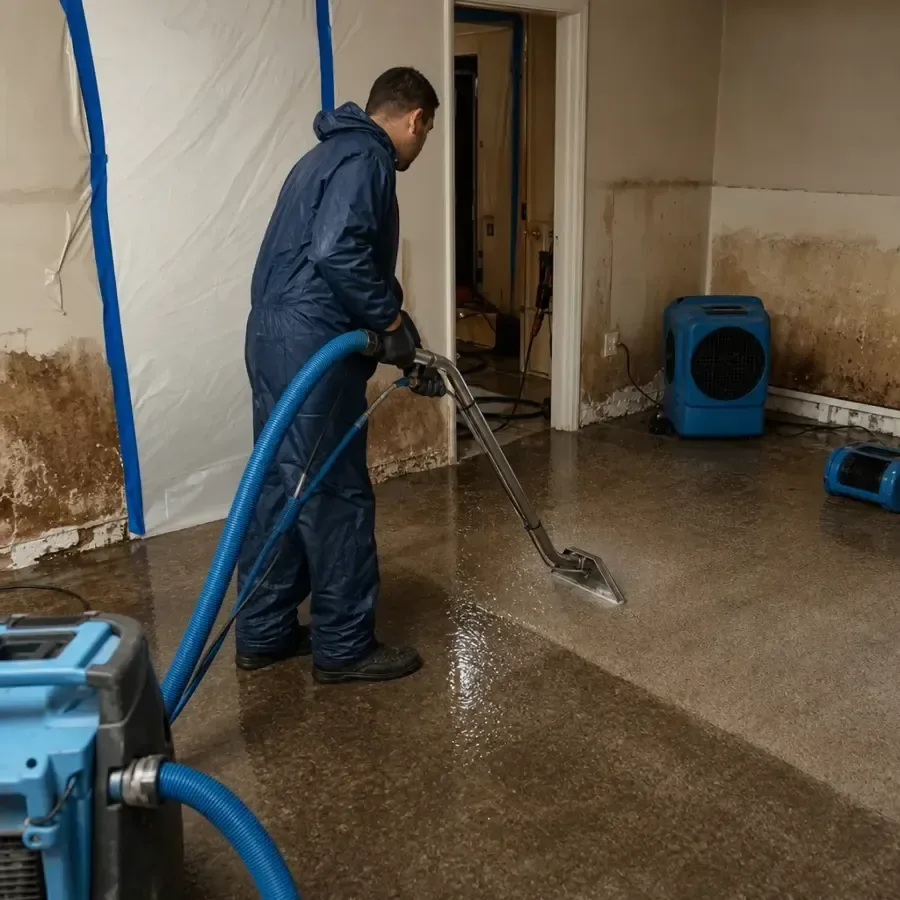
24/7 water damage restoration in Fountain, CO starts with controlling the source. The extraction crew removes standing water, while the drying team measures moisture behind the finishes and documents the recovery.
(888) 532-8620Water moving indoors? CallA room-by-room account of the water helps dispatch plan access, equipment and the first inspection safely.
- Source tracingFind the water entry
- Material mappingCheck concealed wet layers
- Controlled dryingBalance airflow and humidity
- Written recordsTrack readings and repairs
What to do while the water is still moving
- 1
Stop the supply safely. A household member closes an accessible shutoff for a plumbing discharge without crossing a wet electrical area.
- 2
Keep the area clear. Residents stay away from sagging ceilings, energized water and drain overflows; emergency services handle immediate danger.
- 3
Record the visible spread. Photos from a safe, dry position show the affected rooms and the water level before removal changes the scene.
- 4
Protect clean belongings. Dry items move only when access is safe; contaminated contents remain separate so the loss does not spread into clean rooms.
- 5
Describe the source. The intake account should identify leaking plumbing, outdoor runoff or a drain backup, plus whether water is still entering.
Water Damage Restoration Services in Fountain, CO
A soaked ceiling, sewer overflow and split supply pipe need different decisions. The service descriptions explain the affected materials, removal choices and measurements that support each dry-out.
 Water ExtractionStanding water leaves through extraction equipment before fans and dehumidifiers address the moisture still held inside materials.Explore the service
  Burst Pipe Water DamageA stopped pipe discharge still leaves wet wall cavities, flooring seams and insulation that need a measured cleanup.Explore the service
  Slab Leak Water DamageMoisture beneath a finished floor calls for source testing and slab readings before replacement flooring returns.Explore the service
  Ceiling Leak Water DamageWet overhead drywall needs a stability check, electrical precautions and a trace of the water path above.Explore the service
  Roof Leak Water DamageRain entering through the roof can wet decking and attic insulation well beyond the visible stain below.Explore the service
  Storm Flood CleanupOutside runoff brings sediment indoors, changing extraction methods, material removal and the cleanup sequence.Explore the service
  Water Heater Leak CleanupTank leakage can soak nearby wall bases and storage areas even after the visible puddle recedes.Explore the service
  Appliance Leak Water DamageHoses, pumps and appliance drains send water under cabinets where a surface wipe misses the damage.Explore the service
  Toilet Overflow CleanupThe overflow source determines contamination precautions before bathroom flooring and adjoining rooms receive attention.Explore the service
  Sewage Backup CleanupContaminated drain water requires isolation, protective equipment and removal of affected porous materials before drying.Explore the service
  Hardwood Floor Water DamageBoard moisture and the condition beneath the planks determine whether controlled drying can preserve the floor.Explore the service
  Structural DryingMoisture maps, humidity control and repeat readings establish when framing and concealed assemblies reach drying goals.Explore the service
  Commercial Water DamageAn occupied business needs affected zones isolated, safe access maintained and a documented recovery scope.Explore the service
  Frozen Pipe Water DamageA thaw can reveal a split pipe inside an exterior wall or unheated area before the leak appears elsewhere.Explore the service
  Basement Water RemovalLower-level water needs source control, safe pumping and a separate check of walls, contents and enclosed framing.Explore the service
 Water damage dried to the IICRC S500 standard
The drying team compares affected materials with an appropriate dry reference. Equipment stays for the conditions measured in the structure, with adjustments when the readings slow or expose another wet layer.
The measurements decide the next step
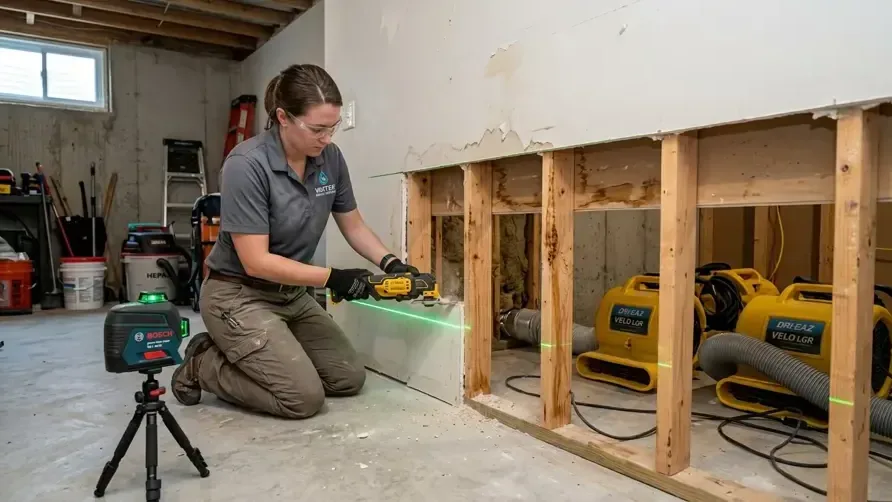
The assessment follows the water beyond the puddle. Different surfaces can feel dry while concealed layers remain wet, so the contractor checks the full assembly before closing a room.
- 01
Find the route
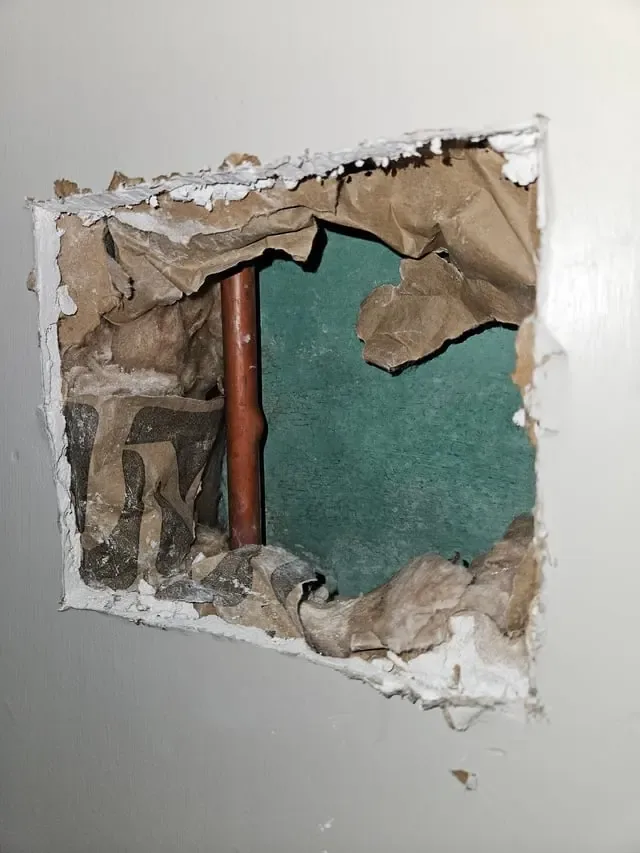
The technician checks the point of entry and follows water through connected cavities, documenting contamination and the materials that need immediate attention.
- 02
Remove bulk water
The extraction crew uses equipment suited to the surface and access, then checks beneath movable contents and along the perimeter for remaining water.
- 03
Balance evaporation
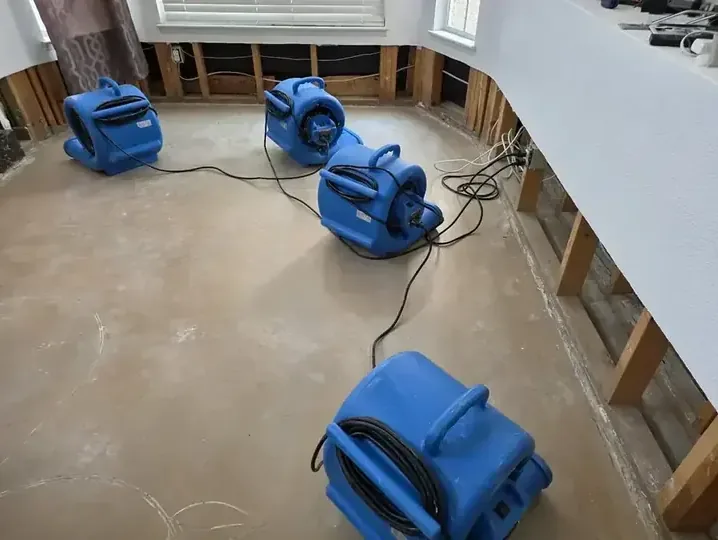
The drying team positions air movers and dehumidifiers around the exposed materials, measuring temperature and humidity to confirm that the air can accept moisture.
- 04
Verify the assembly
Repeat readings show whether framing, flooring and wall materials meet the agreed drying goals before equipment leaves or reconstruction conceals those surfaces.
All water damage categories covered in Fountain, CO
Category 1: clean water
A clean supply discharge may allow early drying in place. Time and contact with building materials can change the assessment.
Supply pipe cleanupCategory 2: gray water
Water with significant contamination needs controlled removal and careful evaluation of absorbent materials, including pad and insulation.
Appliance water cleanupCategory 3: black water
Sewage and contaminated floodwater require protective equipment, cleaning and removal of affected porous materials rather than ordinary carpet drying.
Sewage removal methodsWhat does water damage restoration cost in Fountain, CO?
Water damage restoration commonly falls in a planning range of $900 to $9,000 or more. Water category, affected area, material class and the delay before drying determine which tasks the property actually needs.
- Limited affected surfaces
- Accessible extraction
- Focused drying equipment
- Hidden cavity assessment
- Selective material removal
- Daily moisture comparisons
- Controlled removal zone
- Contaminated porous materials
- Longer structural drying
These figures support planning and are not a quote. The water damage cost calculator compares scope inputs; a property assessment establishes the actual work.
Documentation for your insurance claim
The restoration contractor records the observed cause and resulting damage separately. A sudden plumbing discharge and outside flooding raise different policy questions, so the file should explain the water path without promising coverage.
Coverage follows the policy
The policyholder asks the insurer about deductibles, limits, exclusions and any sewer-backup endorsement before relying on a payment assumption.
The contractor supplies work documentation. The insurer makes coverage decisions, while separate repair agreements identify reconstruction tasks and costs.
- Initial moisture map tied to affected rooms
- Timestamped photographs before material removal
- Daily humidity, temperature and material readings
- Water category and drying-class assessment
- Itemized extraction, removal and drying scope
What a water damage dry-out looks like in Fountain
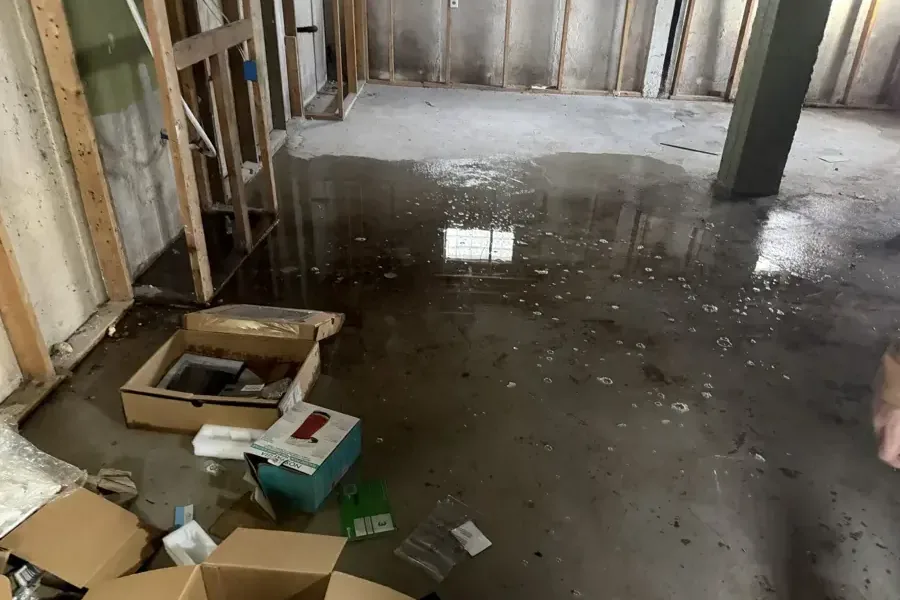
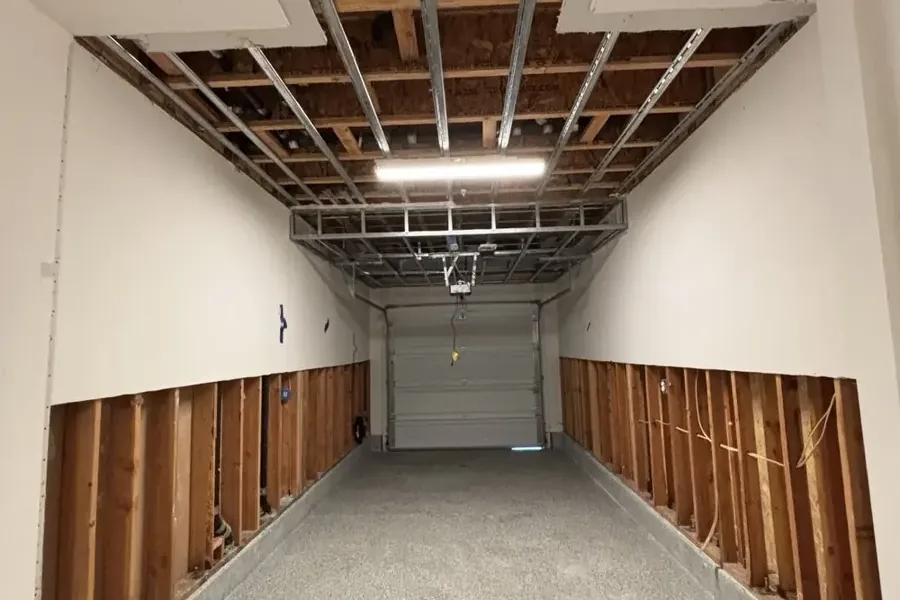
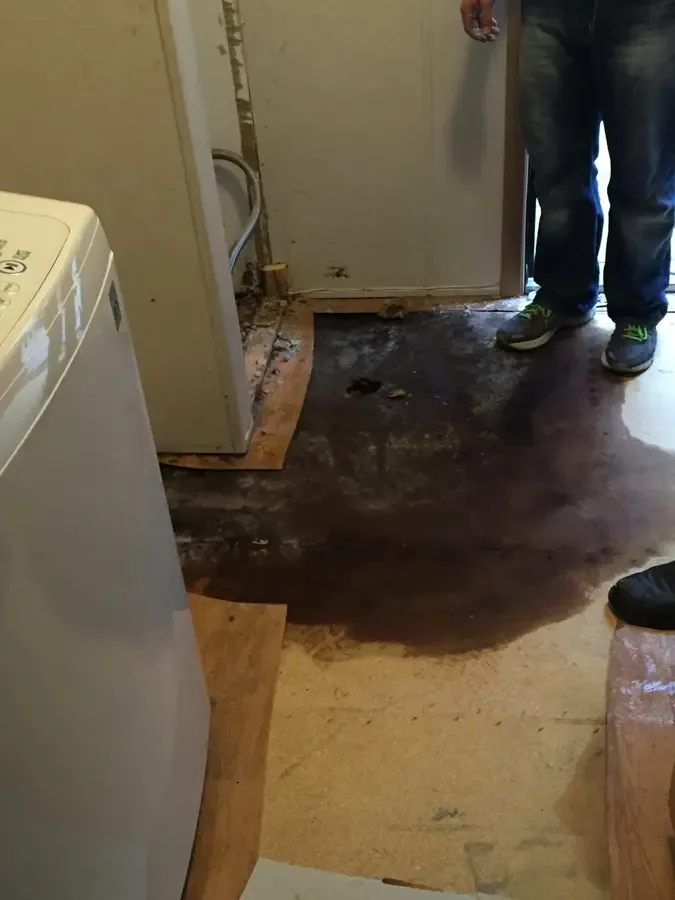
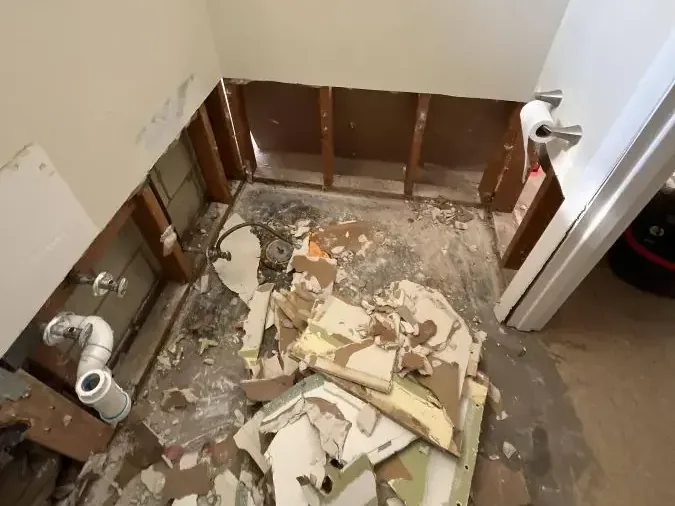
One call reaches Fountain water damage pros, 24/7
The response starts with the rooms affected, the suspected source and the building access. Those details help distinguish a contained leak from water still spreading.
The restoration team organizes extraction and structural drying around the materials present. The property owner can describe the nearest cross street, affected rooms and whether water is still entering.
(888) 532-8620Explain the water pathWater damage coverage in Fountain, CO
Local approach roads
Service area ZIPs
80817 80911 80913 80925
Nearby service areas
Fountain water damage: source and setting
Fountain Creek and the surrounding park landscape provide useful context for outdoor water. Indoors, the actual leak path and construction determine which materials need removal or drying.
June 13, 2018: The National Weather Service documented a nocturnal hailstorm that intensified over Fountain. Wet attic materials and ceiling stains after hail need inspection before the damaged finish is repaired.
- Creek-side setting. Fountain Creek Regional Park includes Willow Springs Ponds and Hanson Nature Park. The property assessment checks outdoor entry alongside these local landscape references.
- Roof entry. Hail damage can create a rain pathway, but the inspection must trace the actual opening rather than diagnose a leak from a stain alone.
- Drain backups. Fountain Sanitation District advises stopping drain use and reporting backups, especially when neighboring properties experience the same problem.
- Water supply. Fountain uses surface water stored in Pueblo Reservoir and groundwater. A leaking indoor supply pipe needs a shutoff and repair before drying can progress.
- Concealed wet layers. Cabinet bases, wall cavities and floor coverings can hide moisture after a puddle disappears, requiring direct measurements during the dry-out.
Fountain water damage restoration questions
What information helps with a 24/7 restoration request?
The location, source and affected rooms help the response team plan equipment. A caller should mention active water flow, contaminated drains, wet electrical fittings and sagging overhead materials. The response team confirms availability and access after reviewing the reported hazards and the scope of the loss.
Can a dry-looking floor still need restoration?
Yes. Water can remain beneath flooring, behind a cabinet toe kick or inside wall insulation after the surface looks clear. A technician compares moisture readings in the affected assembly with an appropriate dry reference before deciding that extraction or drying has finished.
Does insurance treat runoff like a burst pipe?
Policies can distinguish sudden plumbing discharge, long-term leakage, drain backup and outside flooding. The policyholder should identify the apparent source to the insurer and ask which terms apply. Photographs and the restoration record help the insurer review the damage and proposed work.
When is IICRC S500 relevant?
The standard informs the assessment, extraction and structural drying process. The drying team uses the water category, affected materials and moisture measurements to select methods, monitor progress and document completion. A reference to the standard describes the method rather than a contractor credential.
How long can wet materials take to dry?
A contained loss often needs several days, while layered floors, dense materials and concealed cavities may take longer. The material readings determine the endpoint. The drying-time estimator provides planning context, but it cannot inspect a building or set its completion date.
Should fans run before sewage is removed?
Ordinary fans should not spread air across an untreated contaminated loss. The cleanup crew first isolates the area, removes sewage and affected porous materials, and cleans the remaining surfaces. Controlled structural drying follows the contamination work, with protective equipment suited to the conditions.
Does every wet wall need demolition?
The answer depends on contamination, stability and access to the wet layer. Some clean-water assemblies can dry in place. Sagging, deteriorated or contaminated porous materials need removal, and insulation inside a closed cavity may change that decision even when the painted face looks intact.
How does a creek location affect the assessment?
The actual water entry and property mapping matter more than a nearby landmark. A house near Fountain Creek does not automatically share its neighbor's exposure. The assessment separates outside runoff from indoor supply or drain problems before choosing extraction, cleaning and drying methods.
What should happen after the equipment leaves?
The final moisture record should explain the materials checked and the drying goals used. Reconstruction follows a separate scope for removed finishes, cabinetry or flooring. The household keeps the photographs, work records and repair documents together so each stage remains clear.
Stop the spread and measure what remains wet
Water beneath a finish can outlast the puddle. The restoration assessment follows that moisture before repairs conceal it.